When contemplating construction or renovation, the choice of materials weighs heavily on both immediate costs and long-term value. Among various options, aluminum stands out for its durability and efficiency, particularly in urban settings such as London. This article explores the economic rationale behind selecting durable materials like aluminum, emphasizing its benefits and considerations for applications such as windows and doors.
Understanding Aluminum's Value Proposition
Aluminum is a lightweight yet strong metal, making it an ideal choice for various construction projects. Its resistance to corrosion ensures longevity, which translates into reduced maintenance costs over time. For instance, consider aluminum windows and doors in damp climates; they can last decades without significant wear or deterioration compared to timber or other materials that may succumb to rot or rust.
In London, where the weather can be unpredictable, investing in aluminum windows not only improves aesthetic appeal but also adds functional resilience. Manufacturers specializing in aluminum doors in London often highlight this aspect when marketing their products. The initial investment may be higher than alternatives like PVC or wood; however, the overall lifecycle cost favors aluminum due to lower upkeep requirements.
The Lifecycle Cost Analysis
Evaluating the economics of materials requires a thorough understanding of lifecycle costs — the total cost of ownership over a product's lifespan. This analysis encompasses initial purchase price, installation expenses, maintenance needs, and eventual disposal costs. With aluminum:
- Initial Costs: While aluminum windows might come with a premium price tag upfront compared to plastic options, they can offer significant savings down the line. Maintenance: Unlike timber that requires regular repainting or sealing to ward off environmental damage, aluminum primarily needs periodic cleaning. This simplicity reduces labor and material costs significantly over time. Energy Efficiency: Many contemporary aluminum window designs incorporate thermal breaks that enhance insulation. This feature can lead to lower energy bills by minimizing heat loss during winter months while keeping interiors cooler during summer. Resale Value: Homes equipped with high-quality aluminum fixtures often see enhanced market value. For homeowners in competitive markets like London, featuring durable and appealing materials can make properties more attractive to buyers.
Environmental Considerations
In today’s construction landscape, sustainable practices are paramount. Aluminum is 100% recyclable without losing quality; this factor plays an essential role in its economic debate. Using recycled aluminum requires less energy than producing new metal from raw resources. As consumers become more environmentally conscious, choosing recyclable materials becomes not just an ethical decision but also an economically sound one.
One example is the growing trend among developers in London who prioritize eco-friendly building practices. They often source from local aluminum manufacturers that emphasize sustainability through recycling initiatives. By doing so, they can meet https://rentry.co/smqnmcb3 consumer demand while also potentially benefiting from government incentives aimed at promoting green building practices.
Trade-offs and Edge Cases
While there are many advantages to using aluminum, it is vital to consider edge cases where alternative materials might serve better under specific conditions. For example:
Initial Investment: In budget-restricted projects where upfront cost is paramount, cheaper materials might appeal more initially despite higher long-term costs.
Aesthetic Preferences: Some homeowners prefer traditional aesthetics offered by wood or decorative elements that may not be easily replicated with metal.
Thermal Performance: Although modern aluminum products address thermal insulation effectively, some older designs may not perform as well as advanced PVC options designed specifically for extreme insulation.
Noise Insulation: If soundproofing is a major concern—such as in busy urban areas—certain types of composite windows may outperform standard aluminum frames unless specific sound-dampening features are included.
Specialized Applications: In very humid environments or near saltwater (common along coastal areas), certain finishes on aluminum might corrode faster if not properly treated.
These factors illustrate how decisions regarding material selection require a nuanced understanding of individual project needs rather than blanket assumptions about superiority based on durability alone.
Real-world Applications of Aluminum
Across various sectors within building design and construction, examples abound demonstrating how integrating durable materials like aluminum leads to tangible benefits:
- Commercial Buildings: Many office buildings utilize large glass facades framed with aluminum due to its strength-to-weight ratio and flexibility in design while maintaining low maintenance needs. Residential Projects: Homeowners opting for new builds or renovations frequently install aluminum windows for their sleek look combined with energy efficiency—important features appreciated in urban dwellings across London. Industrial Uses: Factories benefit from using lightweight yet robust structures made possible through innovative uses of aluminum that reduce material fatigue while enhancing safety standards.
The Role of Manufacturers
The role of local manufacturers cannot be understated when discussing the economics of durable materials like aluminum. Companies specializing in manufacturing aluminium doors in London have developed streamlined production processes that allow them to provide high-quality products at competitive prices while ensuring compliance with local regulations regarding sustainability and safety standards.
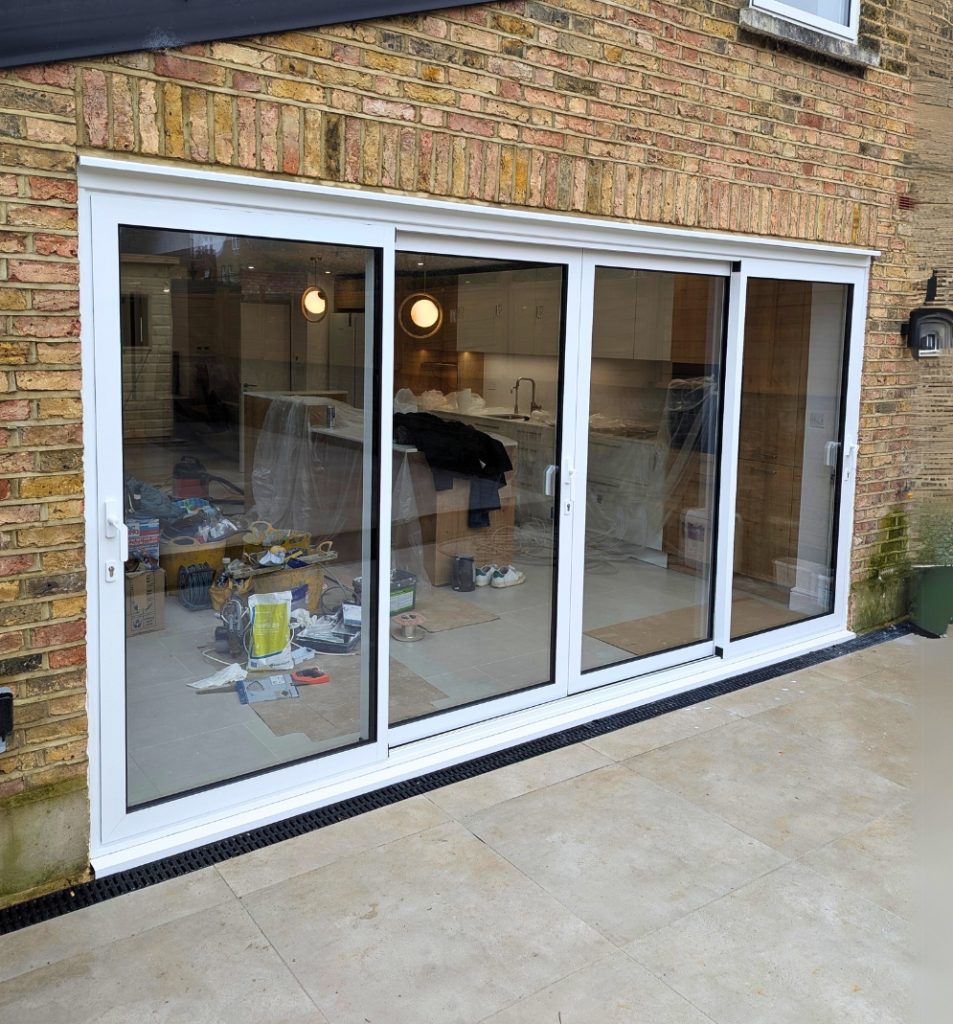
By investing in modern technologies such as automated fabrication techniques and environmentally friendly coatings that extend product life cycles further enhances economic viability—not just for companies but also consumers who seek reliable solutions for their construction needs.
Conclusion
Selecting durable materials such as aluminum represents a balancing act between initial expenditure and long-term value derived from reduced maintenance needs and energy savings alongside environmental sustainability considerations. As cities like London continue evolving towards greener futures filled with robust infrastructures capable of enduring diverse weather patterns efficiently—aluminum's intrinsic properties position it favorably within this landscape.
Understanding these economic implications encourages informed decisions that align immediate project goals with broader financial realities over time—ultimately leading to smarter investments for contractors and homeowners alike looking to enhance their properties' durability without sacrificing aesthetic appeal or environmental responsibility.